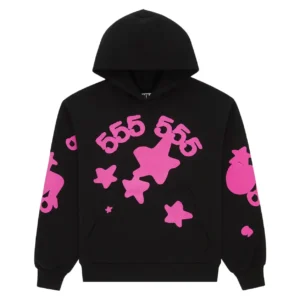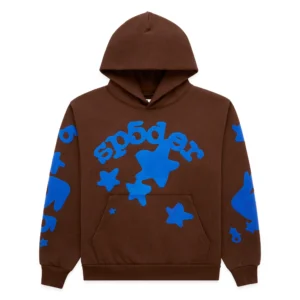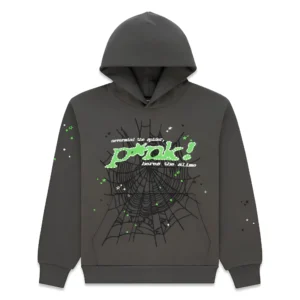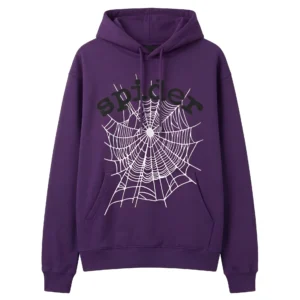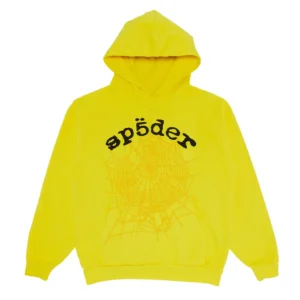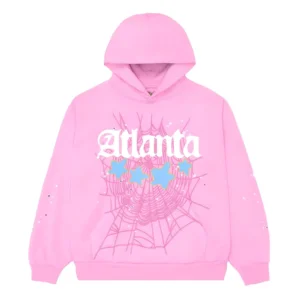
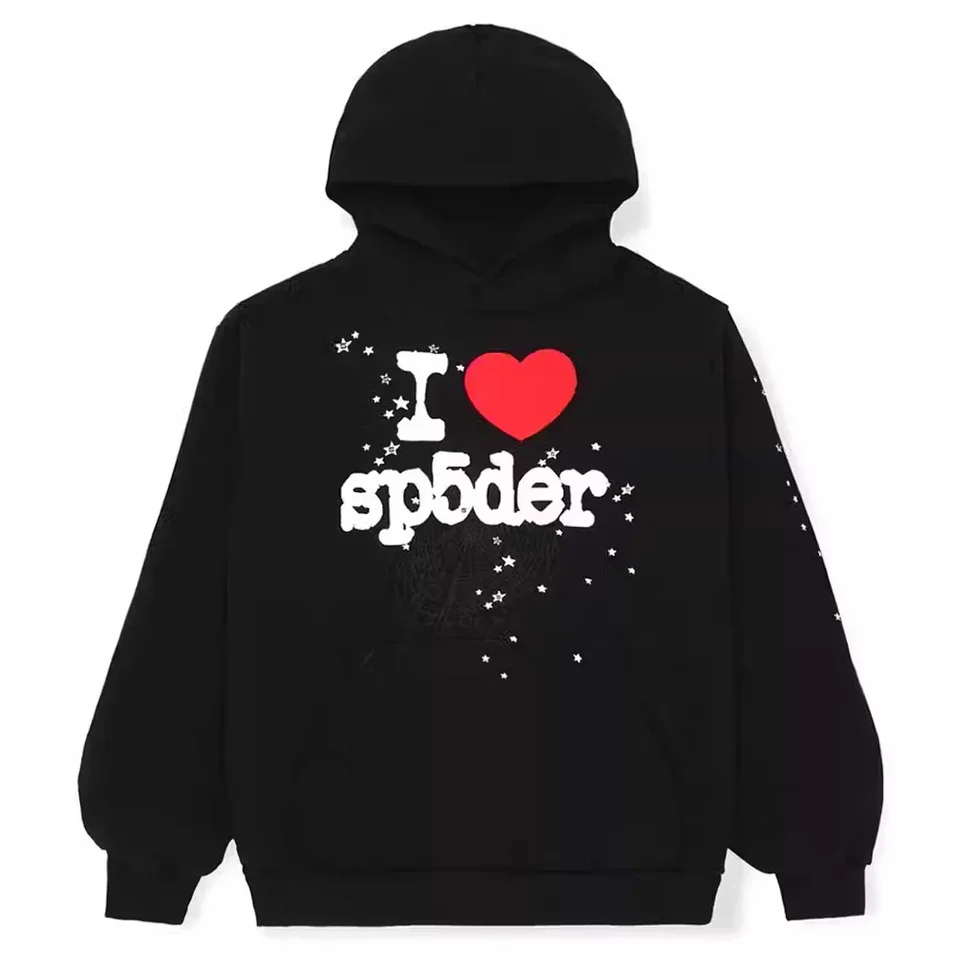
Gatekeeping over “real vs fake” usually says more about the person policing it than the clothing. For daily fits nobody’s authenticating, wearing a rep or thrifted piece you genuinely like beats a retail logo bought to avoid judgment. Authenticity matters around resale, close inspection, and supporting a brand directly — and almost nowhere else. Style has always been about how a piece is worn, not what the receipt says.
Where the gatekeeping comes from
Three sources, and only one of them is really about clothes. Genuine collectors invested real money and time into authentic pieces and want that effort to mean something — fair enough. Resellers need authenticity to matter, because margins built on scarcity collapse if fakes are universally accepted — that’s a business interest wearing a culture costume. And some of it is pure status-signaling, where policing someone else’s hoodie becomes the cheapest available way to claim insider standing. Sorting which one you’re dealing with makes comment-section noise much easier to ignore.
“It’s clothing, it ain’t that deep” – mostly true
The most honest take in any of these arguments is usually the simplest one: it’s clothing. The binary framing skips over all the legitimate middle ground — thrifted vintage, blank hoodies with custom prints, budget brands, well-made reps — each sitting somewhere different on the axes of originality, cost, and honesty. A thrifted piece never claimed to be anything but itself. Lumping it in with counterfeits sold as authentic flattens distinctions that actually matter. The short version is that deception is the line, not the price tag.
When it genuinely matters – and when it’s noise
It matters when reselling (fakes carry no value and get listings pulled), under genuinely knowledgeable inspection, and when you want a designer to actually see money from your purchase — buying through a trusted streetwear shop is the only vote that counts in whether a brand keeps existing. It’s noise everywhere else: the classroom, the function, the feed. And “fake it till you make it” holds up fine as a personal wardrobe philosophy, right up until someone misrepresents a piece for financial gain — that’s where a style choice becomes fraud. The people whose opinions are worth caring about tend to be far more interested in what makes a piece genuinely special than in auditing anyone’s tags.
Wear what you like, guilt-free
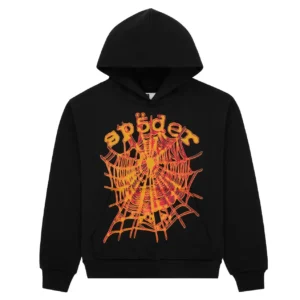
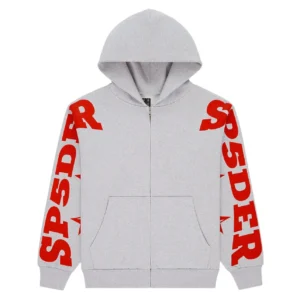
A well-fitted thrifted hoodie worn with confidence reads better in every room than an expensive logo worn apologetically. Streetwear’s original spirit — self-expression on whatever budget you have — predates every brand currently being gatekept, and it will outlast them too. Most people are focused on their own fit, not auditing yours; the ones who are auditing were never going to be satisfied anyway. Ironically, the brands themselves understand this better than the gatekeepers do — hype cycles come and go, and even the loudest Sp5der hoodie eventually has to answer the “still a flex?” question.
FAQ
Q: Why do people gatekeep streetwear? A: Some are collectors protecting real investment, some are resellers whose margins depend on scarcity mattering, and some are status-signaling — only the first group is really about clothes.
Q: Is wearing reps embarrassing? A: Not inherently. It becomes a problem only when a rep is knowingly sold as authentic — wearing one for personal style on a budget is a common, defensible choice.
Q: Does “fake it till you make it” work in fashion? A: As a personal wardrobe approach, yes. It stops working the moment a piece is misrepresented to someone else for money.
Q: When should I buy authentic? A: When you plan to resell, when the piece faces knowledgeable inspection, or when you want the brand’s designers to see money from your purchase.