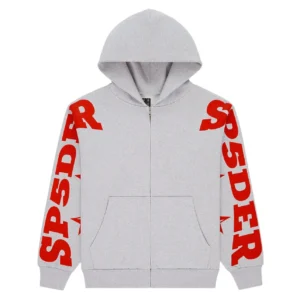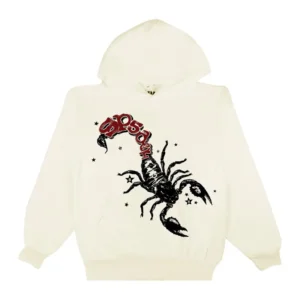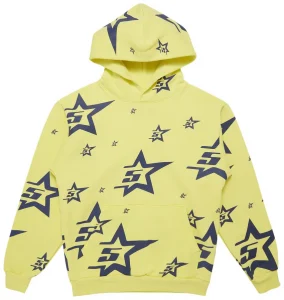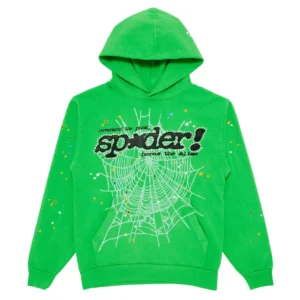

Whether your hoodie is fake, thrifted, or straight off a brand site matters a lot less than most comment sections make it sound. For daily fits nobody’s authenticating up close, an $8 Goodwill find you genuinely like beats a $300 logo bought purely for clout. Authenticity matters in three specific situations – resale, close inspection, and supporting a brand you care about. Outside those, wear what fits your budget and your style.
Myth vs fact
Myth: people can spot a rep from across the room. Fact: casual observers respond to fit, color, and styling – not tag stitching. The fit-check posts that get engagement are about how a piece is worn, not whether it’s been authenticated.
Myth: thrifted means you couldn’t afford the real thing. Fact: thrift culture has its own status in streetwear – a genuinely rare vintage find carries more respect in most communities than a widely available retail drop, precisely because nobody else can just order it.
Myth: wearing a fake is always wrong. Fact: the line is deception, not the garment. Wearing a rep for personal style is a budget decision; reselling one as authentic is fraud. Those are different acts, and treating them as the same thing is where most of the noise comes from.
Where “fake vs real” actually matters
Three situations, concretely: reselling later (fakes have zero resale value and get listings pulled from Grailed and StockX), close inspection by someone who genuinely knows construction, and supporting a brand whose work you want to see continue. That last one is real – an authentic purchase is the only kind the designer sees a dollar from. But notice what’s not on the list: wearing a hoodie to school, work, or a night out. Almost nobody in those rooms is checking labels, and the ones who are have their own insecurities to manage – that dynamic gets a full breakdown in the gatekeeping conversation.
The case for thrift and budget fits
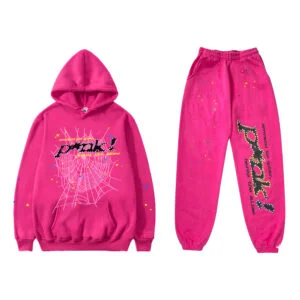
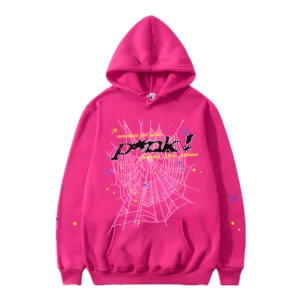
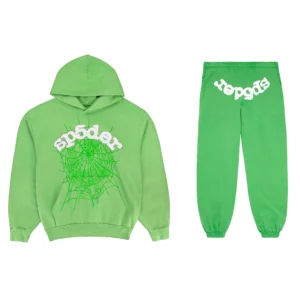
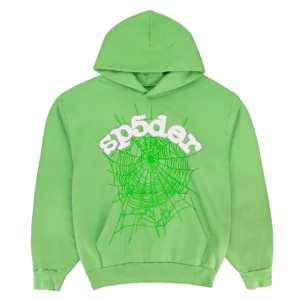
Thrift stores regularly turn up heavyweight graphic pieces for a tenth of a hype brand’s price, and a well-chosen vintage tee styled with intention reads better than an expensive logo worn without thought. There’s also a freedom in it: you’re not stressed about damaging a piece that cost half a paycheck, which matters if clothes are for living in rather than preserving. For anyone weighing that exact tradeoff on a Sp5der specifically, there’s an honest half-a-paycheck breakdown – and a list of budget brands that scratch the same itch for a fraction of the cost.
How to build a fit you actually own
Mix pieces intentionally rather than chasing one expensive logo: a thrifted hoodie with well-fitted pants and clean sneakers reads more put-together than a hyped piece worn carelessly. Save splurges for the one or two pieces you’ll wear constantly. Streetwear started as self-expression on whatever budget was available – the receipt was never the point, and the people whose style you actually admire are almost never the ones policing anyone else’s.
FAQ
Q: Is it ok to wear fake streetwear?
A: For personal daily wear, that’s your call – just never resell fakes as authentic. It matters mainly around resale, close authentication, or supporting a brand directly.
Q: Does anyone really notice reps in person?
A: Mostly no. People respond to fit and styling far more than authenticity; only close friends or genuinely obsessive collectors clock print and tag details.
Q: Is thrifted streetwear looked down on?
A: The opposite in most communities – rare thrift finds carry real respect precisely because they can’t just be ordered.
Q: When does buying authentic actually matter?
A: When you plan to resell, when the piece will be inspected closely, or when you want the brand’s designers to actually see money from the purchase.